
Donec efficitur, ligula ut lacinia
viverra, lorem lacus.
Donec efficitur, ligula ut lacinia
viverra, lorem lacus.

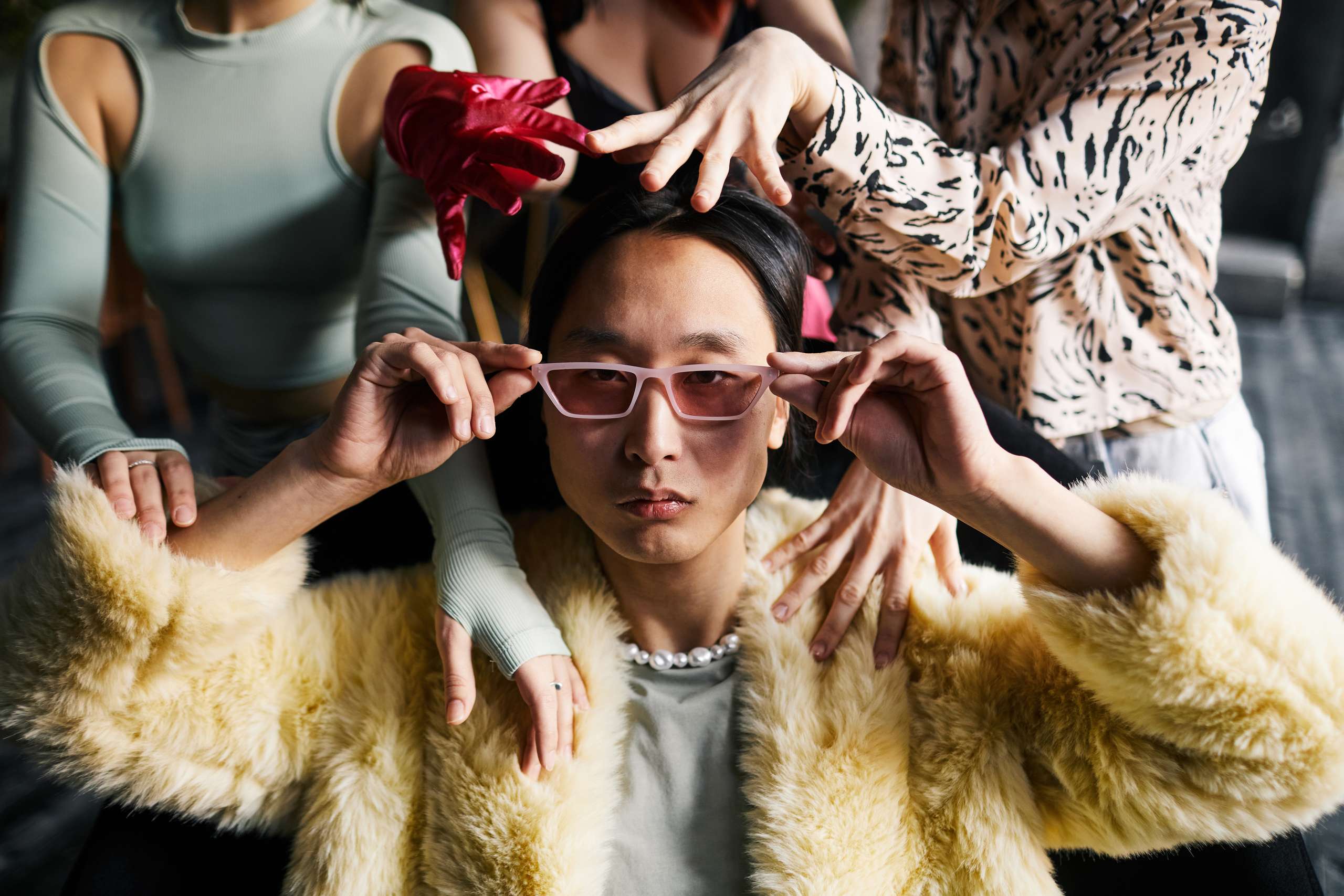
A beginner plateau in fashion often feels strange because effort is still happening. Images are saved, outfits are tried, ideas are everywhere, yet the results keep circling the same narrow range. Usually the problem is not a lack of inspiration. It is a lack of separation between different skills. Styling, visual analysis, proportion, color balance, and fabric awareness can blur into one big activity called “working on fashion,” but improvement comes faster when each one is practiced on its own for a while.
Take outfit building as an example. Many early attempts stall because too many decisions are being made at once. Shape, color, mood, occasion, and detail are all competing for attention. When everything changes at the same time, it becomes impossible to tell what actually improved a look. A better approach is to isolate one variable. Spend a few days working only with silhouette. Keep the colors simple and pay attention to line, volume, and length. Notice what happens when a fitted top meets a wider trouser, or when a longer jacket interrupts the body at a different point. This kind of controlled practice makes fashion easier to read and easier to adjust.
One common mistake is assuming that a stronger outfit always needs a more striking item. That can send a beginner into a cycle of adding sharper boots, bigger accessories, louder prints, or more layers when the real issue is imbalance. A look can feel unfinished because the proportions are weak, not because it lacks impact. When this happens, strip the outfit back to three visible elements and study the relationships between them. Look at where the eye lands first, how the top half relates to the lower half, and whether one area feels visually heavier than the rest. Correcting proportion often does more than adding something new.
A short practice plan can help break the plateau without turning fashion into a vague habit. Use fifteen minutes with one clear purpose. Spend the first five minutes looking at a single outfit image and writing down exactly what makes it coherent. Spend the next five rebuilding that logic with different garments from memory, even if only in rough sketch form or quick notes. Use the last five to compare your version to the original and identify one mismatch. Maybe the length contrast disappeared, the color story became too busy, or the texture balance got lost. That one mismatch becomes tomorrow’s focus.
Feedback is most useful when it follows an attempt, not when it replaces one. Instead of searching for broad reassurance, bring one outfit, one sketch, or one styling concept and ask a narrow question. Does the shape still feel clear after layering? Does the shoe choice support the line of the trousers? Is the soft fabric weakening the structure you wanted? Specific responses are easier to apply because they point to one visible correction. Broad comments often leave a beginner stuck in the same uncertainty.
Fashion skill grows through noticing what changed, what stayed weak, and what actually caused the shift. A plateau is often just a sign that practice has become too wide and too blurry. Narrowing the task, repeating it with intention, and studying the difference between attempts creates movement again. Once the eye begins catching those differences, progress returns with much more direction.