
Donec efficitur, ligula ut lacinia
viverra, lorem lacus.
Donec efficitur, ligula ut lacinia
viverra, lorem lacus.

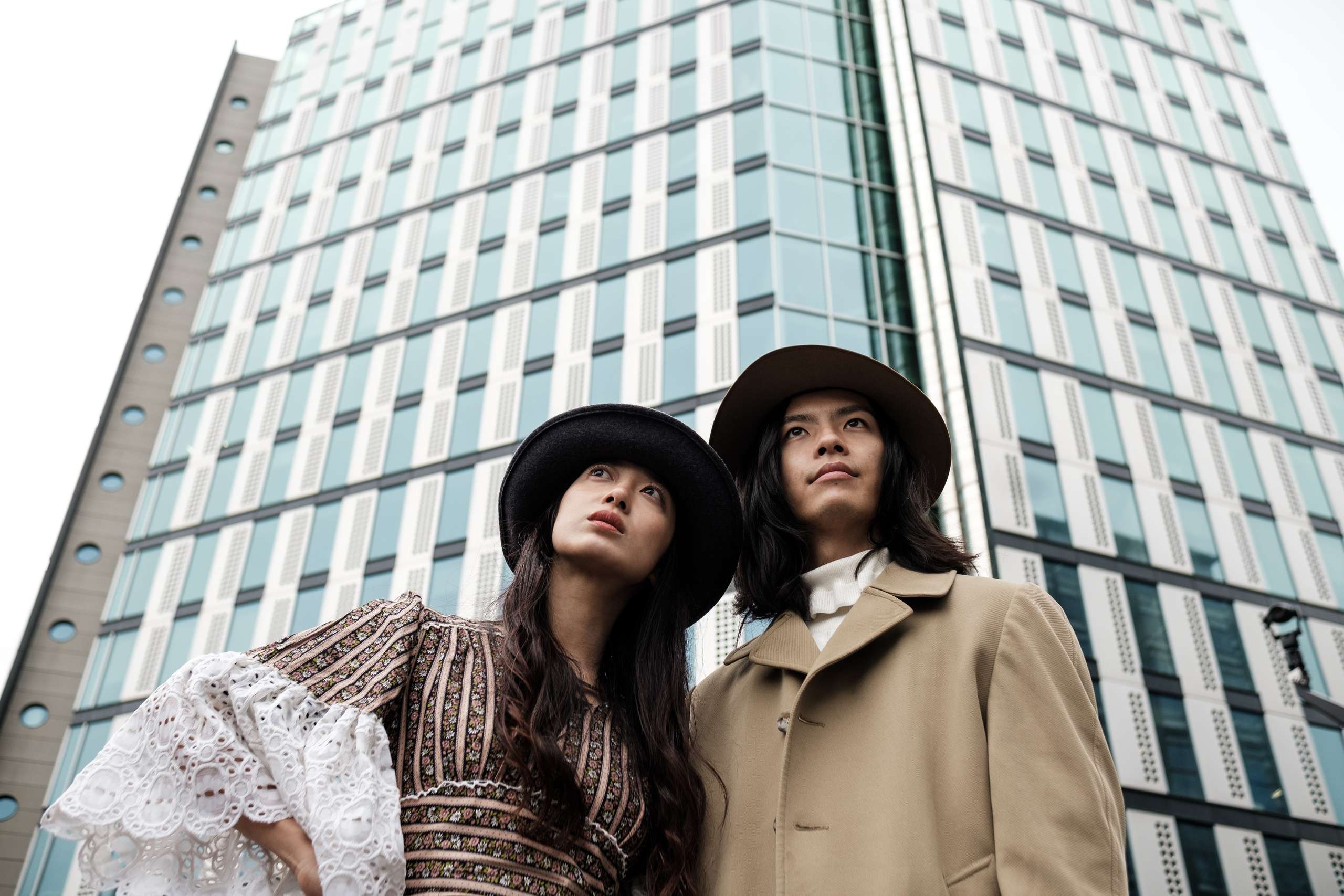
At the beginning, one of the hardest parts of fashion practice is not drawing, styling, or choosing pieces. It is seeing clearly. A new eye tends to label almost everything as “nice,” “interesting,” or “not my taste” without understanding why. That makes progress feel slippery, because vague reactions are hard to refine. The first useful shift is to stop asking whether a look is good and start asking what it is doing. Is the silhouette sharp or soft? Does the outfit rely on contrast, repetition, volume, or restraint? Is the focal point the shape, the color balance, the fabric, or the styling detail? Once observation becomes more precise, taste starts turning into skill.
A simple exercise can build that precision fast. Choose one look each day from a magazine spread, runway image, store editorial, or street photograph. Spend five quiet minutes describing it out loud or in writing without judging it. Name the silhouette first, then the proportions, then the textures, then how the eye moves across the look. After that, decide what creates its effect. Maybe the cropped jacket makes the legs feel longer, or the oversized trousers shift the mood from polished to relaxed. This kind of close reading teaches more than scrolling through fifty images in a distracted state. Fashion understanding grows through sustained attention, not speed.
A common mistake is copying the surface of a look without noticing its structure. Someone might focus on buying a similar skirt or jacket, then wonder why the result feels flat. Usually the missing piece is proportion. A long skirt with the wrong top length can lose its tension. A dramatic coat over equally dramatic volume underneath can bury the body instead of shaping it. When that happens, go back to the image and cover parts of it with your hand, one at a time. Remove the bag, then the shoes, then the outer layer. This helps reveal what is essential and what is supporting. Often the real power of a look comes from one relationship, such as wide trousers with a close fit above, not from every item at once.
If fifteen minutes is all you have, use them with intent. Spend five minutes observing one outfit image carefully. Spend another five sketching the silhouette as a simplified shape, almost like a shadow rather than a detailed drawing. Use the final five minutes to restyle the same idea in your head with pieces you already know: what happens if the hem is shorter, the fabric softer, the color palette narrower? This small practice block strengthens recognition, memory, and variation at the same time. Done consistently, it builds a much sharper instinct than occasional long sessions that drift without focus.
There will be days when everything starts to blur together. When that happens, narrow the frame. Study only jackets for a week, or only monochrome looks, or only the relationship between shoes and trouser length. Restriction is not a loss of creativity; it gives the eye a cleaner signal. It also makes feedback more useful. Instead of asking for a broad opinion on your taste, ask whether the proportions feel balanced, whether the focal point is clear, or whether the styling choice supports the silhouette. Specific questions lead to specific corrections, and those corrections are what gradually turn instinct into control.
Fashion practice becomes richer once you stop chasing constant novelty and begin recognizing patterns. Repeated observation, small corrections, and careful comparison create that shift. At first, a look may seem mysterious. After enough deliberate study, it starts to explain itself.