
Donec efficitur, ligula ut lacinia
viverra, lorem lacus.
Donec efficitur, ligula ut lacinia
viverra, lorem lacus.

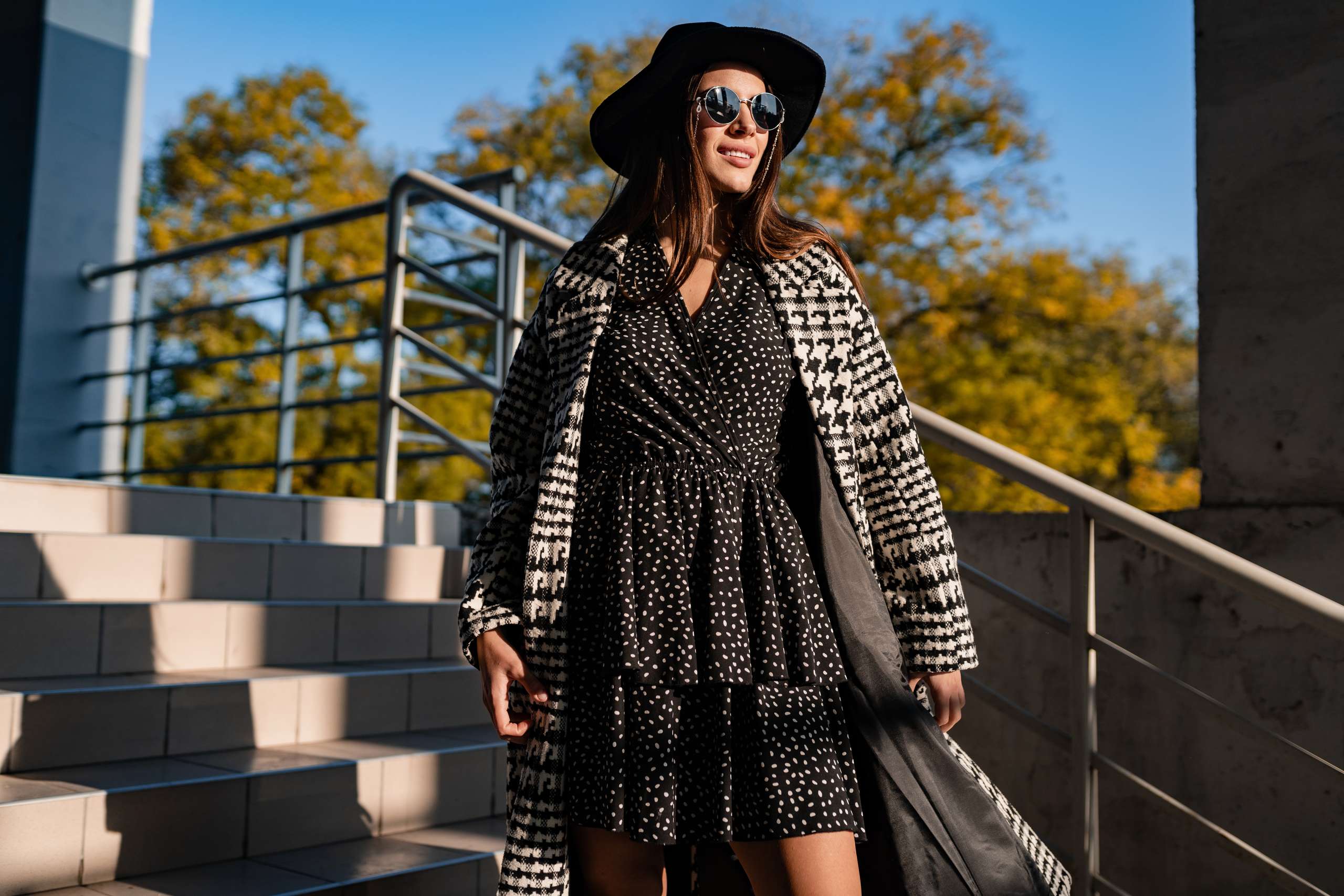
Showing an outfit, a sketch, or a mood direction to someone else can be useful, but only if the response gives you something concrete to work with. Vague praise feels nice for a moment and vague criticism lingers for too long. Neither one teaches much. In fashion practice, feedback becomes valuable when it points to something visible: proportion, shape, texture balance, color tension, styling clarity, or overall coherence. The goal is not to hear whether something is liked. The goal is to understand what the eye is picking up and where the look starts to lose strength.
The easiest way to get better responses is to stop asking broad questions. “What do you think?” often invites equally broad answers. Try bringing one attempt and one specific concern instead. You might ask whether the silhouette feels intentional, whether the jacket length interrupts the outfit awkwardly, or whether the accessories compete with the main shape. A focused question leads to a focused observation. That matters because fashion choices interact closely; if the reply is too general, you may change the wrong element and create a different problem somewhere else.
A common mistake is asking for feedback too early, before you have decided what the outfit or image is trying to do. If the direction is still foggy, any response can feel confusing. One comment may push you toward cleaner lines, another toward more drama, and suddenly the whole thing slips away from your original instinct. Before sharing your work, name the intention in one sentence for yourself. Maybe the look is meant to feel sharp and restrained, or soft with one unexpected edge. Once that intention is clear, feedback becomes easier to sort. You can keep the notes that strengthen the idea and ignore the ones that pull it somewhere unrelated.
A short practice session can sharpen this skill without taking much time. Spend five minutes assembling one simple outfit or choosing one fashion image you admire. Spend another five writing down what makes it work in visual terms rather than emotional ones. Then spend five more imagining the kind of criticism that would actually improve it. Perhaps the hemline cuts the leg in a dull place, the layered pieces blur the waist, or the fabric weight feels uneven from top to bottom. This exercise trains you to hear feedback before it arrives, which makes outside comments easier to evaluate instead of absorbing every opinion as equally important.
Receiving a useful critique also takes restraint. The first reaction is often to defend the choice or explain what you meant. That usually blocks the real lesson. Instead, look again with the comment in mind and test it against the image or outfit. If someone says the silhouette feels top-heavy, remove the scarf, swap the shoes, or shorten the outer layer and see what changes. If another note says the styling lacks tension, try keeping the same palette while shifting the fit of one piece. Fashion feedback becomes practical when it leads to experiments, not arguments.
Over time, the best comments will start sounding less personal and more visual. That is a sign your eye is maturing. You are no longer searching for approval. You are learning how to diagnose a look, adjust it, and understand why the adjustment works. Once that happens, feedback stops feeling like judgment and starts becoming part of the craft itself.