
Donec efficitur, ligula ut lacinia
viverra, lorem lacus.
Donec efficitur, ligula ut lacinia
viverra, lorem lacus.

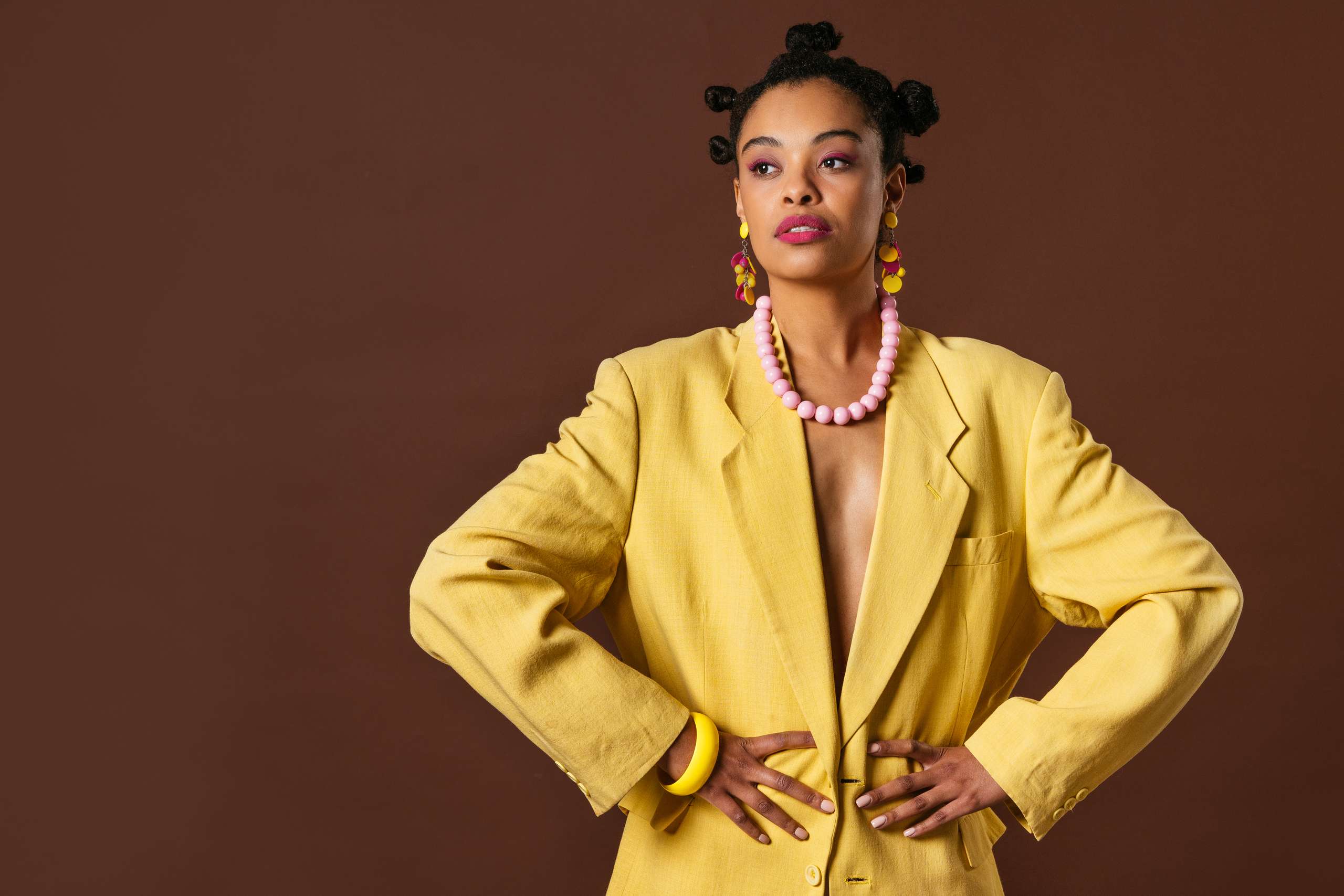
Long study sessions sound productive, but fashion skill often grows faster through short, focused work. Fifteen minutes is enough to sharpen the eye, strengthen decision-making, and improve visual memory if the practice is narrow. The key is choosing one small task instead of trying to “work on style” in a general way. Fashion is made of many separate abilities: noticing proportion, reading silhouette, understanding texture, balancing color, and editing details. When one short session is built around a single ability, the results become easier to see and much easier to repeat.
Start with one image only. It can be an editorial look, a runway photo, a vintage reference, or a strong everyday outfit. Spend the first five minutes studying it without rushing. Do not ask whether you like it yet. Look at the outline first. Is the shape elongated, cropped, boxy, narrow, fluid, or oversized? Then move inward and notice what is creating that effect. Maybe the sleeves widen the upper half, maybe the trousers break softly at the shoe, maybe the belt is the only firm point in a loose composition. This kind of close attention teaches more than collecting dozens of references without fully reading any of them.
Use the next five minutes to recreate the logic of the look in a stripped-back way. You can sketch the silhouette as a simple shape, write a description from memory, or restyle the same idea with different pieces in your mind. The goal is not accuracy in every detail. The goal is to prove that you understood what made the outfit hold together. A common mistake here is copying surface details instead of the structure beneath them. Someone may remember the bag, the color, or the boots but miss the real force of the outfit, which often comes from length relationships or the contrast between fitted and loose elements. If your version feels weaker, it usually means the structure has been lost.
Spend the final five minutes comparing your attempt with the original and identifying one difference that matters. Keep it specific. Maybe your version became heavier on the bottom, maybe the clean vertical line disappeared, or maybe the look lost tension because every piece now has the same visual weight. This last part is where progress happens. It turns practice into reflection instead of repetition for its own sake. One clear observation is enough to guide the next session.
If you get stuck, reduce the frame even further. Study only hemlines for a few days. Or only jacket lengths. Or only how texture changes the mood of a neutral outfit. Restriction helps the eye notice patterns that would otherwise stay hidden inside a full look. It also makes feedback more useful, because the question becomes precise. Rather than asking for a general reaction, ask whether the silhouette still reads clearly or whether the proportion shifted after one styling change.
This kind of brief daily practice works because it builds consistency without draining attention. Fashion understanding does not come only from inspiration. It comes from repeated acts of noticing, testing, and correcting. Fifteen minutes is enough to do all three, and enough to leave with something clearer than you had before.